
Cart
0
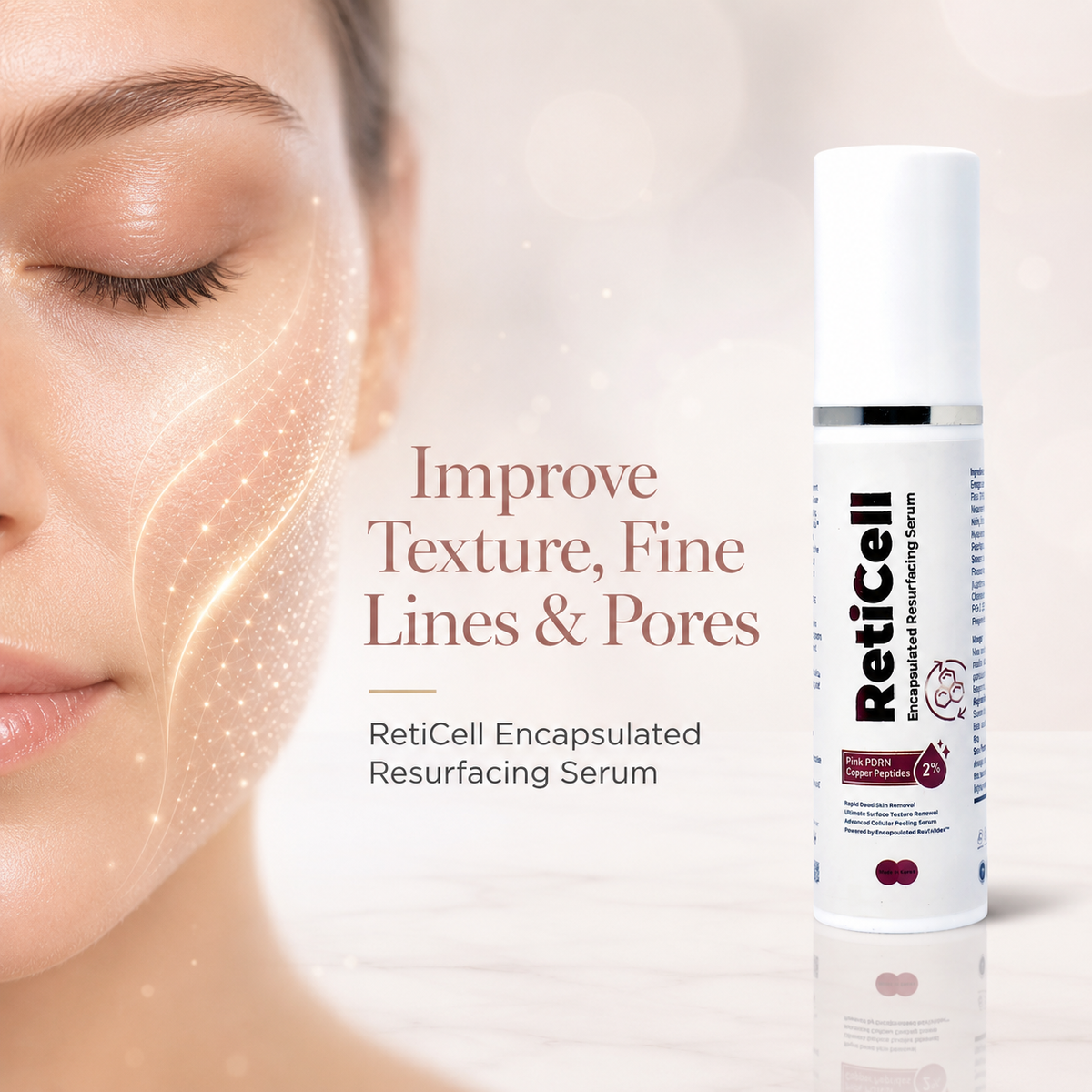
After breakouts settle, residual marks and uneven-looking texture can remain. Retinol is commonly used in cosmetic skincare routines because it supports normal skin renewal and can help the complexion look smoother and more even over time.
How retinol supports skin renewal
Retinol supports the skin’s natural turnover process. With consistent use, this can improve the appearance of dull surface texture and help create a more refined-looking complexion.
Can retinol help post-acne marks?
Retinol can help improve the appearance of residual post-acne marks over time by supporting regular surface renewal. It is not an overnight solution, and a consistent routine is more important than aggressive use.
For stubborn brown marks, many people add a pigment-focused serum in the morning. A tranexamic acid serum like Evamelas targets the visible appearance of dark spots and post-acne marks, and pairs well with retinol at night.
Texture, congestion and smoother-looking skin
Regular resurfacing can help the skin surface appear clearer and more polished. Retinol should be introduced gradually so the routine remains comfortable enough to maintain consistently.
Encapsulated retinol for progressive delivery
An encapsulated retinol formula is designed to release the ingredient progressively. This supports a controlled approach to nighttime resurfacing and makes gradual routine building straightforward.
Best-practice routine
Apply a small amount at night on clean, dry skin, starting two to three times weekly. Follow with moisturizer if needed. During the day, use broad-spectrum sunscreen.
If post-acne marks, uneven texture and dullness are your main concerns, see RetiCell Encapsulated Retinol Serum.
Reduce frequency if persistent irritation occurs. If pregnant, breastfeeding or under dermatological treatment, consult a qualified healthcare professional before introducing a retinoid product.
Starting retinol for the first time? Use our beginner RetiCell night-routine guide before increasing frequency.
RetiCell formulation and routine considerations
RetiCell combines encapsulated Retinol with Pink PDRN, Copper Peptides, Niacinamide, Salicylic Acid and AHA/Glycolic Acid. Its retinol percentage is not stated in the product information provided here, so do not assume a mild beginner strength. Start one or two nights per week on dry skin, follow with moisturiser and increase only according to tolerance and pack directions. Avoid additional acids, scrubs, other retinoids or benzoyl peroxide in the same routine when starting.
Post-acne colour marks are different from deep, indented scars. Persistent or painful acne and scarring need professional guidance. Explore the encapsulated retinol buying guide and use broad-spectrum daytime sunscreen.


